Exploring the Science of Effective Learning

Education Theory

Table ReservationSee MENU & Order

Hyderabad’s Thriving Tech Community: Best Meetups & Events for Full-Stack Developers

Hyderabad is a bustling hub of technological innovation, home to a vibrant and ever-growing developer community. As the demand for skilled full-stack developers increases, Hyderabad provides numerous opportunities for networking, learning, and career growth. Whether you’re an skilled developer or just starting out, attending tech meetups and events can help you stay updated with industry trends, link with like-minded professionals, and enhance your skills.

For those looking to strengthen their expertise, enrolling in a full stack developer course can provide structured learning, but meetups and events offer a complementary space for hands-on experiences, real-world insights, and direct interactions with industry leaders.

In this article, we’ll explore Hyderabad’s best tech meetups, developer conferences, and networking events, focusing on how full-stack developers can make the most of them.

Why Should Full-Stack Developers Attend Meetups & Events?

With the quick development of technology, staying ahead requires continuous learning. Full-stack developers must be proficient in frontend and backend technologies, cloud computing, database management, and DevOps. While a developer course in Hyderabad equips learners with these essential skills, meetups and events provide additional benefits:

  • Networking Opportunities: Meet industry experts, startup founders, and fellow developers who can offer guidance and potential career opportunities.
  • Hands-on Learning: Participate in coding workshops, hackathons, and live demonstrations.
  • Industry Insights: Learn about emerging technologies such as AI-driven development, Web3, and microservices architecture.
  • Collaborative Projects: Find opportunities to contribute to open-source projects or collaborate on real-world applications.

Whether you’re looking to sharpen your coding skills, find job opportunities, or simply stay connected to the tech community, Hyderabad’s tech ecosystem has plenty to offer.

Top Tech Meetups for Full-Stack Developers in Hyderabad

1. Hyderabad Full-Stack Developer Meetup

The Hyderabad Full-Stack Developer Meetup is one of the largest communities dedicated to full-stack development. This meetup is ideal for developers who want to understand about the latest tools, frameworks, and best practices. Regular sessions include:

  • Live coding workshops on React, Angular, Node.js, and Django.
  • Discussions on DevOps, CI/CD pipelines, and cloud computing.
  • Q&A sessions with industry leaders sharing real-world experiences.

This meetup is great for developers looking to expand their knowledge beyond what they learn in a developer course and apply their skills in practical scenarios.

2. Hyderabad JavaScript Meetup

JavaScript is the backbone of full-stack development, and the Hyderabad JavaScript Meetup focuses on everything JavaScript-related. Topics covered include:

  • Modern frontend frameworks like React, Vue.js, and Svelte.
  • Backend development with Node.js, Express, and serverless architectures.
  • Performance optimization techniques for web applications.

This meetup provides an excellent opportunity for full-stack developers to dive deeper into JavaScript technologies while networking with fellow professionals.

3. Hyderabad AWS User Group

Cloud computing is essential for scalable web applications, and the Hyderabad AWS User Group helps developers understand how to build cloud-native applications. Key areas covered include:

  • Deploying applications using AWS services like Lambda, EC2, and S3.
  • Database management with AWS RDS and DynamoDB.
  • Best practices for security and cost optimization in cloud environments.

For those taking a developer course in Hyderabad, this meetup complements their learning by offering practical insights into cloud deployment and management.

Best Conferences & Events for Full-Stack Developers in Hyderabad

1. DevOps India Summit

DevOps has become a crucial part of full-stack development, and the DevOps India Summit is one of the most significant events in Hyderabad for developers looking to enhance their DevOps knowledge.

  • Sessions on Kubernetes, Docker, and microservices architecture.
  • Workshops on CI/CD pipelines and infrastructure automation.
  • Networking opportunities with DevOps experts from leading tech companies.

For full-stack developers aiming to transition into DevOps roles or improve their deployment workflows, this summit is highly beneficial.

2. India Technology Week

A multi-day tech conference, India Technology Week, covers various aspects of software development, including full-stack technologies. Highlights include:

  • Expert talks on frontend and backend development trends.
  • Hands-on coding challenges and hackathons.
  • Panel discussions on career growth and industry expectations for developers.

Following this event can be a game-changer for those pursuing a developer course and looking to understand real-world applications of their skills.

3. NASSCOM Product Conclave

Organized by NASSCOM, this event focuses on the latest innovations in software development, AI, and cloud computing. Full-stack developers can benefit from:

  • Deep dives into AI-powered web development.
  • Business insights on building scalable tech products.
  • Fireside chats with successful entrepreneurs and CTOs.

This conference is an excellent platform for developers interested in startups and product development.

Workshops and Hackathons for Hands-on Experience

1. Code Wars Hyderabad

Code Wars is an exciting hackathon that brings together developers from different backgrounds. Participants work in groups to solve real-world problems using full-stack technologies.

  • Challenges covering frontend, backend, and database optimization.
  • Cash prizes and job offers for top-performing teams.
  • Mentorship sessions with experienced developers.

Whether you’re currently enrolled in a full stack developer course in Hyderabad or a working professional, participating in a hackathon like this helps in refining problem-solving skills.

2. Google Developer Group Hyderabad Workshops

The Google Developer Group (GDG) Hyderabad organizes frequent workshops on:

  • Progressive Web Apps (PWA) and advanced JavaScript techniques.
  • Google Cloud and Firebase for full-stack development.
  • Mobile-first design strategies for responsive applications.

These workshops provide hands-on learning, bridging the gap between theoretical knowledge and practical implementation.

How to Make the Most of Tech Meetups and Events

Simply attending events isn’t enough. To maximize the benefits, full-stack developers should:

  • Engage actively: Ask questions, share insights, and participate in discussions.
  • Build a strong network: Connect with speakers, industry experts, and fellow attendees.
  • Work on open-source projects: Collaborate with developers you meet at events to contribute to real-world projects.
  • Stay updated: Follow event organizers on social media to get notifications about upcoming meetups.

By actively participating in Hyderabad’s tech community, developers can gain invaluable experience and career opportunities.

Conclusion

Hyderabad’s thriving tech community offers full-stack developers countless opportunities to grow, learn, and network. Whether it’s through meetups, hackathons, or major conferences, these events provide exposure to new technologies, industry trends, and potential career advancements.

For those looking to build a strong foundation in web development, enrolling in a developer course provides structured training. However, supplementing this learning with real-world experiences gained from attending meetups and conferences is the key to becoming a proficient full-stack developer.

If you’re in Hyderabad and serious about a career in web development, consider joining a developer course to gain hands-on training while leveraging the city’s rich tech ecosystem. With the right mix of formal education and active community engagement, you can position yourself for success in Hyderabad’s competitive tech landscape.

Contact Us:

Name: ExcelR – Full Stack Developer Course in Hyderabad

Address: Unispace Building, 4th-floor Plot No.47 48,49, 2, Street Number 1, Patrika Nagar, Madhapur, Hyderabad, Telangana 500081

Phone: 087924 83183
 

Why Soft Skills Are Critical for Business Analytics Careers in 2025

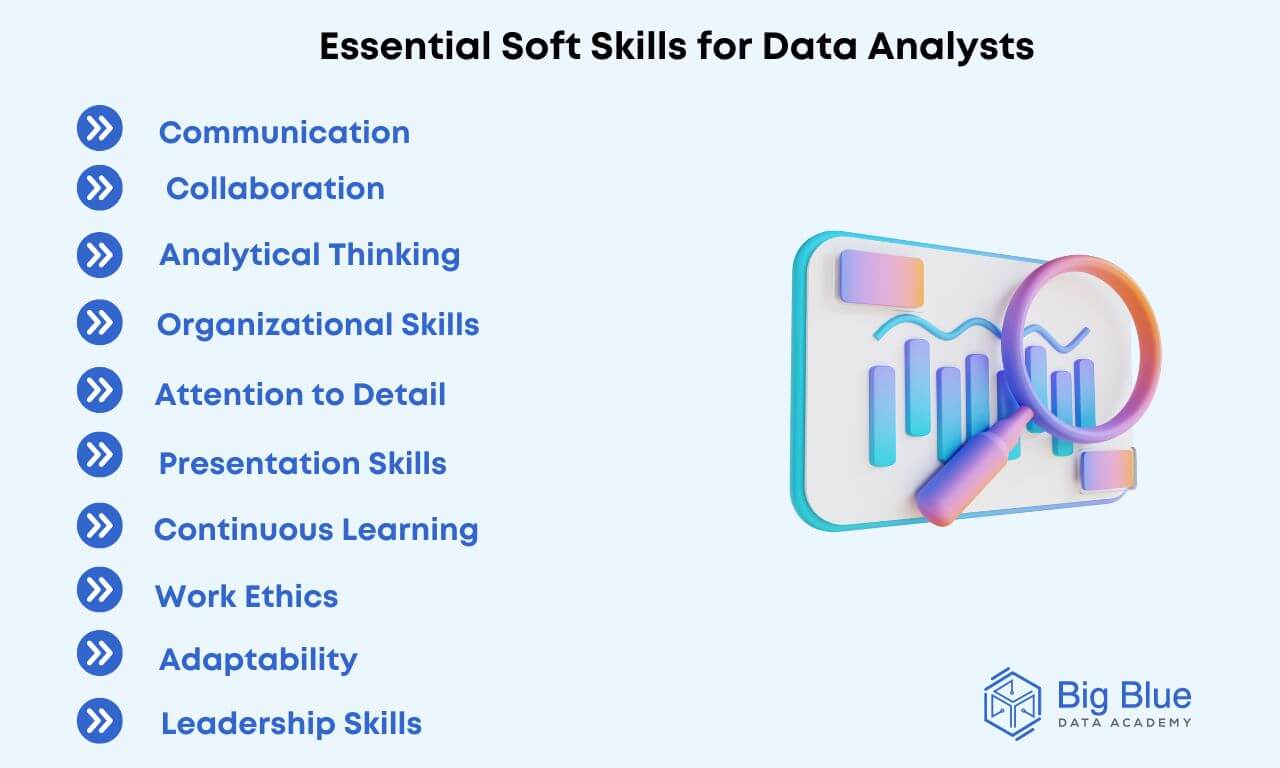
10 Essential Soft Skills for Data Analysts

Technical know-how may open the door to a business-analytics role, but it is soft skills that determine how far and how fast your career advances. In 2025, employers expect analysts to translate models into strategic advice, persuade sceptical executives, and collaborate across geographies and disciplines. These interpersonal and cognitive capabilities complement coding and statistical acumen, turning isolated insights into outcomes that shape organisational direction. Many early-career professionals discover this only after completing a business analyst course, realising that dashboards alone cannot spark change without clear narratives, negotiation finesse and stakeholder empathy.

The Evolving Role of the Analyst

Analytics teams have matured from report factories to trusted advisors, embedded in product squads and leadership councils. As automation tackles routine reporting, human analysts focus on nuanced questions: Why did churn spike in one micro-segment? How can we steer pricing to account for competitor moves and supply shocks? Answering such queries demands iterative dialogue with finance, marketing and operations. Active listening surfaces unspoken constraints; critical thinking reframes ill-posed requests; facilitation skills guide groups towards consensus. The analyst becomes a diplomat, translator and coach in equal measure—roles impossible to fulfil through SQL alone.

Key Soft-Skill Categories

  1. Strategic Communication– Crafting concise, context-rich messages for multiple audiences. This includes data storytelling, executive briefing and written clarity in tickets and documentation.
  2. Influence without Authority– Using evidence, empathy and stakeholder alignment to convince peers and leaders to adopt recommendations, despite no direct reporting lines.
  3. Collaboration and Conflict Management– Navigating divergent priorities, mediating trade-offs and maintaining psychological safety within cross-functional teams.
  4. Critical and Systems Thinking– Seeing beyond point metrics to understand causal chains, second-order effects and organisational interdependencies.
  5. Adaptability and Learning Agility– Embracing new tools, methodologies and domain knowledge at pace, while helping teammates do the same.

Mastering these competencies amplifies the impact of technical outputs, ensuring that models do not die in slide decks but inform profitable action.

Why 2025 Raises the Stakes

Three trends converge to make soft skills indispensable:

  • AI-Powered Automation:Generative-AI assistants now draft queries, produce baseline visualisations and even outline statistical tests. Analysts differentiate by human abilities—contextual judgement, ethical reasoning and persuasive communication.
  • Remote-Hybrid Collaboration:Distributed teams rely on asynchronous channels, increasing the risk of misinterpretation. Nuanced writing, virtual facilitation and cultural sensitivity bridge the gap.
  • Regulatory Scrutiny:New AI-governance laws mandate transparent decision processes. Analysts must explain model logic to non-technical regulators, translating mathematical formalism into policy language.

Those who blend code with communication will lead multi-disciplinary initiatives, shaping data strategy rather than merely executing tasks.

Cultivating Soft Skills Deliberately

Learning soft skills is not incidental; it requires structured practice and feedback loops. Role-play exercises simulate heated stakeholder negotiations. Storyboarding workshops refine narrative arcs that guide executives from question to action. Peer-review sessions foster constructive critique, enhancing clarity and emotional intelligence. Programmes such as a BA analyst course embed these activities alongside technical labs, ensuring balanced development.

Embedding Soft Skills in Daily Workflow

  • Stand-up Meetings:Use concise, audience-aware updates that link analytic progress to business OKRs.
  • Documentation:Write hypothesis statements and data-dictionary entries in plain English, enabling non-analysts to self-serve understanding.
  • Code Reviews:Frame feedback around shared objectives and learning, not stylistic nit-picks, cultivating psychological safety.
  • Post-Mortems:Facilitate blameless retrospectives, focusing on systemic improvements rather than individual fault.

By weaving interpersonal practices into routine rituals, teams institutionalise soft-skill growth without separate training slots.

Measuring Soft-Skill Impact

Organisations increasingly track metrics beyond query latency and dashboard usage:

  • Time-to-Decision:Days from insight delivery to business action. Shorter cycles indicate effective communication and stakeholder alignment.
  • Recommendation Adoption Rate:Percentage of analytic proposals implemented, reflecting persuasive clarity and trust.
  • Feedback Quality Scores:Survey ratings on report usefulness, narrative coherence and collaborative experience.
  • Cross-Department Project Counts:Frequency of multi-team initiatives led by analytics, signalling influence breadth.

These indicators tie soft skills to tangible business value, encouraging continuous refinement.

Implementation Roadmap for Leaders

  1. Skill Gap Assessment– Conduct 360° surveys and project reviews to pinpoint communication, collaboration and reasoning deficiencies.
  2. Tailored Learning Paths– Combine micro-learning modules, mentorship and real-world projects targeting specific competencies.
  3. Practice Environments– Host analytics-driven hackathons where teams pitch insights to executive panels, receiving feedback on narrative strength and stakeholder engagement.
  4. Mentorship and Peer Coaching– Pair seasoned communicators with technical specialists, fostering role-model learning.
  5. Incentive Alignment– Embed soft-skill KPIs into performance reviews, ensuring recognition and reward.

Integrating Soft Skills with Automation-Heavy Futures

As AutoML and LLM copilots reduce technical barriers, the analyst’s comparative advantage shifts towards human-centric activities: framing ambiguous problems, negotiating scope, articulating risk trade-offs and mentoring less technical colleagues. Scenario-planning exercises enhance foresight; systems-thinking workshops reveal how marketing promotions ripple through supply chains. Embedding ethical-decision frameworks prepares analysts to question algorithmic bias and environmental cost, elevating their role from coder to conscience.

Case Illustration: Retail Pricing Squad

A global retailer deployed an AI engine to recommend dynamic prices. The data scientist assigned as product owner possessed strong statistical skills but struggled to secure stakeholder trust. By applying narrative techniques—visualising price elasticity curves through annotated slopes, illustrating customer impact via persona stories, and staging interactive workshops—the team improved adoption from 40 % to 85 % of recommendations. Conflict negotiation skills mediated tensions between revenue and brand-perception teams, ensuring balanced KPI selection. Post-implementation reviews attributed a 6 % margin lift to this human-centred approach, underscoring soft-skill ROI.

Future Outlook: 2025 and Beyond

  • AI-Generated Narratives:Tools will draft baseline summaries, shifting analyst focus to curating context and refining tone for specific stakeholders.
  • Immersive Data Presentation:AR/VR boardrooms will display interactive 3-D visuals; presenters must master spatial storytelling and virtual facilitation.
  • Hyper-Collaborative Ecosystems:Cross-industry data collaboratives will demand diplomacy and legal-ethical fluency to negotiate shared analytics platforms.
  • Ethical Leadership:With increasing AI regulation, analysts will advise compliance teams, requiring confident articulation of model limitations and societal implications.

Developing adaptable soft-skill toolkits now positions professionals to thrive amid these shifts.

Advanced Upskilling Pathways

Mid-career analysts seeking leadership roles often pursue executive communication courses, design-thinking certifications and conflict-resolution workshops. Integrating these with technical refresher modules maintains T-shaped competence—broad strategic understanding with deep analytic expertise. Returning to a modern business analyst course at this stage can consolidate legacy experience with emerging frameworks, emphasising story-first analytics and stakeholder co-creation.

Creating a Culture that Values Soft Skills

Organisational norms influence individual behaviour. Leaders should:

  • Model Transparency:Share decision rationales openly, encouraging analysts to do likewise.
  • Celebrate Collaborative Wins:Recognise teams where cross-department engagement drove measurable impact.
  • Provide Safe Feedback Channels:Anonymous surveys and retrospectives surface communication pain points without blame.
  • Invest in Continuous Development:Budget time and resources for workshops, conferences and peer-learning circles.

Culture amplifies training, embedding soft skills into the analytics DNA.

Conclusion

In 2025, the differentiator for analytics careers will be the ability to unite rigorous analysis with human-centred influence. Technical excellence may craft state-of-the-art models, but only empathy, narrative clarity and negotiation turn predictions into profitable decisions. Aspiring professionals should blend formal technical study with deliberate interpersonal practice—starting with a Business Analysis Course to hone balanced skill sets—and continually refine these competencies as automation redefines the analytical landscape. By cultivating robust soft skills today, analysts secure tomorrow’s leadership roles in data-driven enterprises.

Business name: ExcelR- Data Science, Data Analytics, Business Analytics Course Training Mumbai

Address: 304, 3rd Floor, Pratibha Building. Three Petrol pump, Lal Bahadur Shastri Rd, opposite Manas Tower, Pakhdi, Thane West, Thane, Maharashtra 400602

Phone: 09108238354

Email: enquiry@excelr.com


From Leads to Conversions: How CRM Tools Revolutionize the Customer Journey

These days, with everything moving so quickly online, businesses are always on the hunt for fresh ways to enhance their customer journey. A CRM system is one of the best tools out there to help you achieve this. CRM tools can really help improve how businesses interact with customers and make things run more smoothly, which can lead to higher conversion rates and a better overall experience for everyone involved.

In this article, we’re going to dive into how CRM systems can really change the game when it comes to turning leads into conversions, all while making the customer experience better and boosting sales.

How to Use CRM to Turn Leads Into Customers

CRM systems are very important for turning possible leads into loyal buyers. With CRM conversion strategies, companies can make lead management more efficient and make sure that no opportunities are missed.

You can think of lead conversion as a relay race. Leads are passed from one step to the next, and CRM systems make sure that no runner (or lead) gets lost along the way. CRM tools help companies find new leads, keep in touch with them, and move them easily through the sales process.

Key Strategies for Converting CRM

CRM systems are designed to track every interaction a lead has with your business. By using customer relationship software, businesses can:

  • Segment leads effectively: By organizing leads based on criteria like demographics, behavior, and interests, CRM systems enable businesses to create personalized marketing campaigns.
  • Automate follow-ups: With automated workflows, CRM tools send timely follow-up emails or reminders, ensuring that potential customers are not forgotten.
  • Track lead engagement: CRM conversion tools help businesses measure how leads interact with your content, which enables you to adjust your approach accordingly.

When you automate these steps, CRM systems help keep leads engaged, which boosts the chances of turning them into customers.

Ways CRM Systems Enhance Customer Experience

The customer experience is more than just providing a product or service—it’s about building relationships. CRM tools help businesses to personalize interactions, address customer needs proactively, and offer seamless communication. Let’s break down how CRM systems improve the overall customer experience.

Personalization Matters

CRM systems are designed to collect data about each lead’s preferences, behaviors, and purchase history. This data allows businesses to create tailored experiences for each individual. Whether it’s personalized emails or custom product recommendations, customers appreciate when a brand speaks directly to their needs and interests.

Early Assistance and Communication

A key advantage of using CRM systems is their ability to help businesses anticipate customer needs. For instance, if a customer has previously reached out with an issue, CRM systems ensure that the support team is aware of it before the customer even asks. This proactive support leads to higher satisfaction and deeper customer loyalty.

Channel-Wide Consistency

Today’s consumers expect seamless experiences, whether they interact with a business via email, social media, or in-store. CRM systems help manage these interactions across multiple platforms, ensuring that customers receive consistent messaging and service, no matter how they contact your business.

Marketing Automation and CRM Tools

Sales pipeline automation is one of the most significant advantages of CRM tools. By automating repetitive tasks and providing visibility into each stage of the sales funnel, businesses can manage their leads more effectively and reduce the risk of losing prospects.

Making The Selling Process Easier

A well-optimized sales pipeline is essential for ensuring that leads are nurtured and converted efficiently. CRM systems provide businesses with a clear view of where each lead stands in the sales process. This visibility helps sales teams prioritize high-value leads and focus their efforts on the most promising opportunities.

Cutting Down on Manual Work

Sales reps can often spend a lot of time on manual tasks, like updating lead information or sending follow-up emails. CRM tools automate these tasks, freeing up time for reps to focus on building relationships with leads and closing deals.

By automating the sales pipeline, CRM tools not only increase efficiency but also help businesses close deals faster and at a higher rate.

Better Conversion Rates with Lead Management Tools

One of the key features of CRM systems is lead management, which directly impacts conversion rates. A good CRM system allows businesses to capture leads from various sources, nurture them over time, and ultimately convert them into paying customers.

Centralizing Lead Information

CRM systems centralize all lead data, ensuring that sales and marketing teams have access to the same information. This eliminates the risk of miscommunication and ensures that every team member is working from the same set of facts. Whether a lead came from a website form, an email campaign, or social media, CRM tools keep everything in one place.

Scoring and Prioritizing Leads

Not all leads are created equal. Some are closer to making a purchase than others, and some require more nurturing. CRM systems allow businesses to score leads based on their behavior, engagement, and other criteria. This scoring system helps sales teams prioritize leads with the highest potential for conversion.

By using lead scoring, businesses can focus their resources on the most valuable prospects, increasing conversion rates and improving the efficiency of their lead management efforts.

Powerful CRM Analytics for Conversion Tracking

CRM analytics play a pivotal role in tracking conversions and measuring the success of CRM conversion strategies. By analyzing the data collected through CRM systems, businesses can identify trends, track KPIs, and optimize their lead generation and conversion efforts.

Measuring the Effectiveness of Your Efforts

With CRM analytics, businesses can track key metrics like:

  • Lead conversion rate: How many leads are being converted into paying customers?
  • Average deal size: How much revenue is generated from each sale?
  • Sales cycle length: How long does it take for a lead to move through the sales pipeline?

These metrics allow businesses to assess the effectiveness of their CRM strategies, enabling them to make data-driven decisions and adjust their approach as needed.

Optimizing Your Sales Funnel

By analyzing data from the CRM system, businesses can identify bottlenecks or drop-off points in their sales funnel. For instance, if leads consistently drop off at a particular stage of the funnel, it may indicate that a process needs to be adjusted. CRM systems give businesses the insights they need to continuously optimize their sales funnel for better conversion rates.

Customer Journey Mapping and CRM

Customer journey mapping is a must-have for businesses that want to know how leads connect with them over time. CRM systems help businesses figure out which touchpoints work best and where they need to be improved by showing the whole journey, from awareness to thought to decision.

Creating a Visual Representation of the Journey

With CRM tools, businesses can visualize the customer journey at each stage. From the first contact to the final purchase, customer journey mapping helps identify where customers engage most, and where they might need additional touchpoints or support.

Identifying Key Opportunities

Mapping out the journey allows businesses to identify key moments where they can influence the customer’s decision. For example, a well-timed email with a personalized offer could be just the nudge a lead needs to convert. CRM tools make it easier to track customer behavior and capitalize on these moments of opportunity.

Wrapping It Up

With CRM tools, you can completely change how the customer path works. CRM systems help businesses improve customer experience and increase conversion rates by automating sales processes, managing leads better, and giving businesses useful information through analytics. CRM systems give you the tools you need to build lasting connections and boost sales, whether you’re tracking leads, automating follow-ups, or making a map of the customer journey.

To make things easier for your business, you’ll definitely want to check out a CRM tool. There are so many options available, so visiting Herow is a smart move. They focus on CRM solutions and provide a platform that assists businesses in discovering the best tools by category, reviews, and features.

Are you ready to implement CRM strategies and take your business to the next level?


Small Property Owners Turn to Digital Solutions for Financial Management


Small-scale property owners are increasingly adopting specialized Landlord Accounting Software to streamline their financial operations. Recent market research reveals that 68% of landlords managing 1-10 properties now use digital tools for rent collection and expense tracking, compared to just 34% five years ago.

The shift toward automated financial management has accelerated dramatically since 2020, with property management software adoption growing by 45% annually among small landlords. This trend reflects broader changes in how real estate investors approach their business operations.

Why Traditional Methods Fall Short

Managing rental properties with spreadsheets and paper receipts creates significant challenges. Property owners often struggle with:

  • Tracking multiple income streams from different tenants and properties
  • Organizing deductible expenses across maintenance, repairs, and improvements
  • Preparing tax documents without clear financial records
  • Monitoring cash flow to ensure profitability

Research shows that landlords using manual tracking methods spend an average of 12 hours monthly on bookkeeping tasks, while those using specialized software reduce this to just 3 hours.

Key Features Driving Adoption

Modern landlord accounting platforms offer functionality specifically designed for rental property management:

Automated Rent Collection: Digital payment processing eliminates late payments and reduces administrative burden. Studies indicate that properties using automated systems see 23% fewer late payments.

Expense Categorization: Software automatically sorts expenses into tax-deductible categories, simplifying year-end reporting. This feature alone saves property owners an average of $800 annually in accounting fees.

Financial Reporting: Real-time dashboards provide insights into property performance, helping owners make informed investment decisions.

Integration Capabilities: Many platforms connect with banking institutions and tax preparation software, creating seamless financial workflows.

Market Growth and Trends

The property management software market has expanded rapidly, with small landlord segments showing particularly strong growth. Industry data reveals:

  • 78% of new property investors choose digital accounting from the start
  • Mobile app usage for property management increased 156% over the past two years
  • Cloud-based solutions now account for 89% of new software implementations

Impact on Small Property Businesses

Early adopters report significant operational improvements. Survey data shows that landlords using dedicated accounting software experience:

  • 31% reduction in time spent on financial tasks
  • 19% improvement in cash flow management
  • 42% faster tax preparation processes

Looking Forward

Technology adoption among small property owners continues accelerating. Artificial intelligence features, automated maintenance scheduling, and predictive analytics are becoming standard offerings. Industry experts predict that within three years, manual property management will become virtually obsolete among successful small-scale landlords.

The transition to digital financial management represents more than convenience—it’s becoming essential for competitive property investment in today’s market.

Wall-Mounted Wood Panelling That Installs Quickly

Wood paneling has become a popular choice for home upgrades, offering both timeless elegance and modern flexibility. A specific style gaining traction is wall-mounted wood panelling for walls that’s designed for quick and easy installation. It combines practicality with aesthetic appeal, making it a go-to solution for those who want a swift room transformation without compromising on quality.

Whether you’re upgrading your living space or renovating a work area, quick-install wall-mounted wood paneling offers numerous advantages. From convenience to style, here’s a closer look at why this trend is on the rise and why it might be the perfect choice for your walls.

Easy Installation Reduces Complexity

One of the most significant benefits is the ease of installation. While traditional wood paneling often requires substantial time, effort, and expertise, quick-install designs simplify the process. Pre-cut panels, advanced mounting systems, and straightforward instructions mean you can upgrade your walls in just hours rather than days.

This convenience appeals to both seasoned DIY enthusiasts and those new to home improvement. Without heavy-duty tools or specialized skills, transforming a space becomes accessible. Additionally, the reduced time spent on installation also minimizes disruption to your daily life, which is especially valuable during renovations.

Enhances Interior Aesthetics

Wall-mounted wood paneling brings a sophisticated charm to any room, blending natural textures with versatile design options. From warm, rustic tones to sleek, modern finishes, there’s a style for every aesthetic preference. The addition of wood paneling can elevate the atmosphere of a room, creating a cozy and inviting feel.

The variety of finishes and textures available lets homeowners customize their space to reflect their personalities. Whether you’re looking to add depth to a neutral palette or make a bold statement with rich, dark tones, quick-install wood paneling delivers impactful results with minimal effort.

Durable and Long-Lasting

Choosing wall-mounted wood paneling means investing in a durable option that stands the test of time. Wood panels are built to be robust and resilient, withstanding everyday wear and tear. Many are designed to be moisture-resistant, making them suitable for spaces like kitchens, bathrooms, or basements where humidity is a concern.

The longevity of wood paneling makes it a cost-effective investment, as it reduces the need for frequent repairs or replacements over the years. This durability ensures that your walls not only look great but also remain functional and sturdy for a long time.

Eco-Friendly and Sustainable

Another advantage of quick-install wood paneling is the emphasis on sustainability. Many options are crafted from responsibly sourced wood, making them an environmentally friendly choice for homeowners. Using such materials helps reduce your carbon footprint while enhancing your living environment with a natural element.

Additionally, some manufacturers opt for recycled or reclaimed wood, giving new life to old materials. Choosing sustainable wood paneling allows you to upgrade your home in a way that aligns with eco-conscious values.

Boosts Property Value

Beyond aesthetics and functionality, wall-mounted wood paneling can also increase the overall value of your property. Its timeless appeal and high-quality finish leave a lasting impression on potential buyers, making it an attractive feature in the real estate market.

Investing in such upgrades adds character to your property and creates visually striking interiors that stand out. Whether you’re considering future resale or simply appreciate the long-term value of home improvements, wood paneling can contribute positively to your property’s worth.


Tenant Screening Questions Make Interviews More Effective


Effective tenant screening is the foundation of successful property management. Asking the right questions during interviews can significantly improve the chances of finding reliable tenant screening questions who pay rent on time, maintain the property, and contribute to a harmonious rental experience. Understanding what to ask and why helps landlords make informed decisions, ultimately protecting their investments and creating long-term stability.

Tenant screening questions are not just a tool for landlords but also an opportunity for potential renters to better understand the property and expectations. This mutual exchange creates clarity and trust, reducing potential conflicts down the line. Here are some key benefits of using tenant screening questions during interviews and how they can streamline the rental process.

Ensures Financial Responsibility

One of the main advantages of tenant screening interviews is the ability to assess a prospective tenant’s financial responsibility. Questions about their employment status, monthly income, and rent-to-income ratio are crucial. Reliable tenants should have a stable source of income that sufficiently covers the rent. Asking about their financial habits and whether they have a history of late payments helps gauge their reliability.

Having insight into their financial situation allows landlords to feel confident that the tenant will consistently meet rent obligations, minimizing the risk of late payments or evictions. Reliable finances ultimately mean consistent cash flow and reduced administrative stress for property owners.

Protects Property Condition

Tenants who understand and respect a property manager’s expectations are less likely to cause property damage. During interviews, asking about prior rental experiences and how they maintained previous properties offers insights into their level of care. Questions like, “Have you had deductions taken from your security deposit before?” and “What steps do you take to ensure a property stays in good condition?” provide important context.

Property is a significant investment, and having tenants who take care of it helps landlords avoid unexpected repair costs. A tenant who prioritizes cleanliness and maintenance is an asset, and screening questions help identify these individuals early in the process.

Creates a Harmonious Living Environment

Tenant interviews are a chance to understand how a potential renter’s lifestyle aligns with the property and its existing tenants or community. Questions about their daily routines, work hours, or hobbies can help identify any potential conflicts. For multi-unit properties, this is especially important since landlords want to ensure minimal disruptions for neighbors.

For example, understanding whether a tenant has pets, plays loud music, or hosts frequent gatherings can help landlords anticipate compatibility with the property dynamics. Screening questions allow landlords to proactively address any lifestyle discrepancies, fostering a peaceful living environment for everyone involved.

Reduces Tenant Turnover

Finding long-term tenants is often a priority for landlords, as high turnover rates can be costly and time-consuming. During interviews, asking about their reasons for moving, long-term plans, and whether they’re looking for short- or long-term leases helps assess whether they’re likely to stay for an extended period.

Stable tenants reduce the effort and expense associated with frequent listings, cleanings, and re-leasing. By identifying individuals who are committed to staying for the long haul, landlords can build a more reliable tenant base and a more predictable rental income pattern.

Simplifies the Screening Process

Tenant interviews create a structured platform for landlords to gather valuable information that complements other screening steps, like credit checks or reference verifications. This face-to-face or virtual interaction allows landlords to observe the tenant’s communication skills, cooperation, and transparency.

Pharmacy Technician Certification Course Supports Role in Patient Advocacy


The University of North Texas Health Science Center at Fort Worth has always recognized the value pharmacy technicians bring to patient care teams. Their responsibilities have grown well beyond counting pills and managing inventory. With today’s increasing complexity in healthcare, pharmacy technicians are stepping up as patient advocates, particularly after completing specialized pharmacy technician certification course designed to expand their skills and impact.

Introduction

Pharmacy technicians are vital members of the healthcare workforce. Their day-to-day roles often go unnoticed, but behind the scenes they support pharmacists and help to ensure patients receive the safest, most accurate care possible. With certification courses now emphasizing patient interaction, pharmacy technicians are learning how best to act as advocates for those they serve. This article explores how a pharmacy technician certification course empowers technicians to champion patient needs and improve outcomes.

The Evolving Role of a Pharmacy Technician

Certification programs for pharmacy technicians are shifting focus. Traditionally, coursework concentrated on technical duties like dosage calculation, medication safety, and data entry. However, The University of North Texas Health Science Center at Fort Worth and similar institutions are now infusing patient advocacy into their curriculum.

Why Advocacy Matters

Patient advocacy means speaking up for patients’ needs and concerns. In a pharmacy setting, this includes monitoring for drug interactions, recognizing when a patient may need extra counseling, and helping to ensure every prescription is filled correctly. When pharmacy technicians understand how to advocate, they contribute directly to patient safety and trust.

How Certification Courses Equip Pharmacy Technicians

Certification courses teach pharmacy technicians more than just the science behind medications. They also offer practical training in communication, empathy, and teamwork. These qualities are key to effective advocacy.

Communication Skills

Members of the pharmacy team are often a patient’s first line of defense. Through certification coursework, technicians sharpen skills in active listening and clear instruction. They become comfortable asking questions, verifying information, and relaying concerns to pharmacists if something seems amiss.

Error Prevention

A crucial part of patient advocacy is preventing errors before they reach the patient. Certification courses help pharmacy technicians develop a vigilant eye for detail, reinforcing safety checks at every step—from receiving a prescription to preparing medications. This diligence greatly reduces the risk of mistakes and helps foster a culture of accountability in the pharmacy.

Guidance and Support

Patients sometimes feel overwhelmed by new medications or complex regimens. Trained pharmacy technicians know how to provide reassurance and clear explanations, ensuring patients leave the pharmacy feeling prepared and confident about their care. When technicians take the time to address patient questions or clarify instructions, it builds lasting trust in the healthcare system.

Real-World Impact

Graduates of pharmacy technician certification courses from The University of North Texas Health Science Center at Fort Worth report greater satisfaction in their work and stronger relationships with both patients and pharmacists. These technicians can better recognize and respond to the needs of each patient, serving as valuable partners in the care process.

Patients benefit from this focus on advocacy, too. When pharmacy technicians are well-trained in communication and attention to detail, patients are more likely to understand their medications, take them correctly, and avoid complications.

Empowering Patient Voices in Healthcare

The pharmacy technician certification programs online ultimately bridges the gap between technical skill and human connection. By combining expert training in medication safety with an unwavering commitment to patient advocacy, it creates a new generation of pharmacy technicians ready to stand up for the patients they serve.

Healthcare teams supported by these skilled technicians can foster safer, more collaborative environments for everyone. The shift toward patient advocacy ensures that the pharmacy is not simply a place to pick up medicine, but a trusted source of guidance, support, and empowerment.


Natural Hazard Report Essentials: Why It Matters in Real Estate Transactions

When buying or selling property, one key piece of the puzzle is often overlooked yet profoundly critical – the natural hazard report. This document serves as a risk map, outlining potential dangers tied to the property due to environmental factors. For real estate professionals and buyers alike, understanding the significance of this report can save thousands of dollars, ensure compliance, and, most importantly, guarantee peace of mind. 

What is a Natural Hazard Disclosure Report? 

A natural hazard disclosure (NHD) report provides detailed information regarding whether a property lies within a high-risk zone for natural hazards. These can include areas prone to wildfires, flooding, earthquakes, or landslides. 

Property sellers are legally obligated in many states to disclose these hazards to prospective buyers before closing a deal. The purpose of the report is twofold:

  1. It ensures transparency about risks tied to the location of a property. 
  1. It allows buyers to assess whether they’re financially and mentally prepared to manage the potential consequences of owning property in hazard-prone zones. 

Why Does a Natural Hazard Report Matter? 

1. Protecting Buyers from Unforeseen Risks 

Purchasing property is a significant investment, and buyers need to know what they’re signing up for. For example, properties in flood zones may require expensive flood insurance, while homes in wildfire areas might face higher premiums or limited insurance options. 

Statistically, wildfire-prone zones in the U.S. have seen a 39% increase in insurance costs over the past five years, highlighting the financial burden that can arise. A natural hazard report helps uncover these potential challenges early in the buying process. 

2. Ensures Legal Compliance 

For sellers, failing to disclose natural hazards can lead to lawsuits and fines. By providing a thoroughly prepared NHD report, sellers fulfill their legal obligation while reducing the risk of disputes. Compliance is more than just following the rules – it builds trust and ensures that the transaction is based on full transparency. 

3. Mitigating Financial Loss 

Understanding natural hazard risks allows both buyers and sellers to plan appropriately. If repairs, insurance, or mitigation measures are needed, these costs can be factored into the transaction. For instance, properties in earthquake-prone areas may require retrofitting, impacting the property’s value and ongoing expenses. Armed with an NHD report, buyers and sellers can negotiate with a complete understanding of costs. 

4. Adds Credibility to Transactions 

Trust is the foundation of any real estate transaction, and the inclusion of an NHD report speaks volumes about professionalism and integrity. Buyers appreciate sellers who are transparent, and this mindset cultivates repeat clients, referrals, and positive market perception for agents. 

What’s Typically Included in a Natural Hazard Disclosure Report? 

A comprehensive NHD report generally identifies whether the property falls into any of the following high-risk categories:

  • Flood Zones (Areas prone to inundation due to water bodies or heavy rainfall) 
  • Fire Hazard Severity Zones (State-designated areas at severe risk of wildfires) 
  • Seismic Zones (Regions susceptible to earthquakes or liquefaction) 
  • Landslide Hazard Maps (Geological areas with unstable terrain) 
  • Dam Failure Zones (Areas facing risks from potential dam breakages) 

These hazards are mapped based on state, federal, and local agency data, ensuring accuracy and reliability. 

Closing the Gap Between Knowledge and Action 

Simply knowing about potential threats isn’t enough. Buyers should use this information to make concrete decisions regarding insurance options, retrofitting policies, or even basic preparedness plans. Meanwhile, sellers should view the NHD report as more than a legal duty – it’s a strong selling point that offers assurance to interested buyers. 

If you’re about to step into a transaction, ensure you have a thorough and professional approach to natural hazard reporting. This tiny investment in research could save significant stress, money, and legal worries in the future.

From Fear to Freedom: How Ladies Swimming Lessons in Singapore Are Helping Women Make a Brave First Step

In Singapore, where we always seem to be chasing the next deadline or ferrying kids to enrichment classes, it’s easy to forget that we deserve time for ourselves too. For many women, that “me time” is finally happening — not in a salon or shopping mall — but in the pool, thanks to the rise of Ladies Swimming Lesson programmes across the island.

These aren’t your average swim classes. They’re thoughtfully created for women who’ve spent years thinking, “I wish I could swim, but now maybe too late lah.” Sound familiar? Whether it’s fear, paiseh, body confidence, or just not knowing where to start — the new generation of Ladies Swimming Lesson is here to change all that.

Trainer Kelvin, a veteran swim coach with a gentle but motivating approach, shared during the opening of one recent class, “I’ve taught national athletes and complete beginners. But nothing touches me more than seeing a woman in her 40s or 60s overcome her fear of water. That’s real courage.”

That courage is showing up more and more, as women across Singapore take that first brave step — stepping into the pool. These Ladies Swimming Lesson classes are specially designed for women-only groups, creating a safe, judgment-free space where no one feels shy or out of place.

One lady, a 38-year-old mother of two, shared, “I used to watch my kids swim and feel a bit sad that I couldn’t join them. Now? We race. They laugh at my splashy turns, but I’ve never felt prouder.”

That’s the kind of change Ladies Swimming Lesson brings. It’s not just about doing laps — it’s about freedom, connection, and showing up for yourself.

The benefits go beyond swimming. Water-based exercise is gentle on the joints, perfect for those with knee or back issues. Many ladies have said their posture improved, and they feel more energised after each class. And let’s not forget the mental side — that quiet moment when you’re floating, just breathing and moving in your own rhythm. It’s calming, almost meditative. That’s something no yoga app can give.

The community around Ladies Swimming Lesson has also been a game-changer. It’s not uncommon to see new friendships form during class. Small laughs, shared fears, and that group cheer when someone finally floats on their own for the first time — these little moments matter.

As demand grows, more instructors are stepping up to offer Ladies Swimming Lesson options islandwide — from public pools to private condo settings. Flexible timings, patient trainers, and no pressure — just progress at your pace.

Whether you stay in Yishun, Bedok, or Queenstown, you’ll likely find a Ladies Swimming Lesson near you. And if group settings aren’t your thing, one-on-one sessions are available too, where everything is customised to your needs.

Busy lifestyle? No problem. Some working professionals book evening or weekend slots, while others prefer the quiet of weekday mornings. Ladies Swimming Lesson adapts to real life — not the other way around.

Condo residents are also loving the convenience of doorstep Ladies Swimming Lesson classes. No more excuses — just bring your swimwear and a bit of courage.

And if this new confidence inspires you to grow even further? You’re not alone. Some even go on to try out other learning platforms, like Ladies Swimming Lesson for mental enrichment — proof that once you overcome one fear, many other doors open.

So to every woman out there still hesitating — just know, you’re not too old, not too slow, and never too late.

Your journey starts with one simple step into the water. The rest? We swim through together.


Innovative Data Analytics Strategies for Mumbai Businesses in 2024


Top Data Analytics Companies in India (2024-2025)

Introduction: The Power of Data Analytics in Mumbai

Businesses in Mumbai, which is frequently referred to be India’s financial and commercial center, are adopting digital transformation in order to remain competitive. In 2024, data analytics has emerged as a cornerstone of success for these businesses, offering tools to understand consumer behavior, optimize operations, and make informed decisions. However, experts with the abilities taught in a data analyst degree are needed to successfully apply these tactics.

With a booming demand for data-driven insights, pursuing a Data Analytics Course has become essential for professionals and businesses alike. This article explores the innovative ways Mumbai’s enterprises are leveraging data analytics to thrive in an ever-evolving market.

Transforming Decision-Making with Data Analytics

Mumbai’s dynamic business environment demands quick and accurate decision-making. Data analytics allows organizations to move away from intuition-based decisions, enabling them to rely on concrete data for strategies. By analyzing consumer trends, sales patterns, and market dynamics, companies can predict outcomes and optimize their approaches.

Professionals trained in a data analyst course play a pivotal role in this transformation. They use tools like Python, R, and Tableau to interpret vast datasets and generate actionable insights. With a growing number of businesses investing in a Data Analytics Course for their teams, Mumbai is witnessing a surge in data-informed decisions that drive growth and profitability.

Personalized Marketing Campaigns

One of the most impactful applications of data analytics is in the domain of marketing. Businesses in Mumbai are leveraging analytics to understand their customers at a granular level, tailoring campaigns to meet individual preferences.

By analyzing customer demographics, purchase history, and online interactions, marketers can create personalized content that resonates with their target audience. This level of precision would be impossible without the expertise of professionals who have completed a data analyst course. A Data Analytics Course enables them to identify patterns and preferences that result in highly effective campaigns, increasing ROI and customer satisfaction.

Optimizing Supply Chain Operations

For Mumbai’s manufacturing and retail sectors, supply chain management is a critical area where data analytics is making a significant impact. Companies are now using analytics to track inventory levels, predict demand, and optimize logistics.

Businesses may cut expenses and boost productivity by spotting inefficiencies and predicting supply chain problems. Professionals can model intricate supply chain scenarios and suggest improvements with the help of a data analytics course. Enrolling in a data analyst course has become increasingly important as businesses strive to stay competitive in this high-pressure setting.

Enhancing Customer Experiences

Customer experience is a top priority for businesses across industries, and data analytics is helping Mumbai’s companies elevate their customer interactions. From analyzing feedback to tracking user behavior, data offers insights into what customers value most.

A data analyst course provides the expertise needed to interpret this information and suggest actionable changes. For instance, businesses can use analytics to reduce customer churn, recommend personalized products, or improve website usability. As businesses continue to prioritize customer-centric strategies, the demand for professionals trained through a Data Analytics Course will only grow.

Predictive Analytics for Future Trends

In 2024, predictive analytics is becoming a vital tool for Mumbai’s businesses to stay ahead of the curve. Businesses are able to predict consumer preferences, market trends, and possible hazards by utilizing machine learning algorithms and historical data.

Professionals trained in a data analyst course are equipped to develop predictive models that support strategic planning. These forecasts enable businesses to make proactive decisions, whether it’s launching a new product or entering a different market. A Data Analytics Course focuses on building these advanced capabilities, ensuring that professionals are ready to meet the demands of Mumbai’s fast-evolving industries.

Real-Time Data for Dynamic Adjustments

The fast-paced nature of Mumbai’s business ecosystem requires real-time data analysis. Whether it’s monitoring sales performance or tracking website traffic, real-time insights enable companies to make quick adjustments and seize opportunities.

A data analyst course trains professionals to work with real-time analytics tools, enabling them to provide instant solutions to emerging challenges. For instance, e-commerce businesses can adjust pricing based on live demand, while hospitality firms can optimize bookings during peak seasons. The hands-on experience gained through a Data Analytics Course ensures that analysts can deliver timely and impactful results.

Building Resilience with Risk Analytics

Mumbai’s businesses, especially in finance and logistics, face inherent risks due to market volatility and operational challenges. Data analytics is helping companies build resilience by identifying potential risks and mitigating them effectively.

Businesses can evaluate vulnerabilities and create backup plans by examining past data and outside variables. A data analyst course teaches professionals to design and implement risk models that safeguard operations and finances. A data analytics course is a wise investment for businesses looking to improve their risk management skills because of its emphasis on real-world applications.

The Role of Data Analytics in Startups

Mumbai’s vibrant startup ecosystem is also benefiting from the power of data analytics. Since startups frequently have limited resources, it is imperative that every part of their business be optimized. Analytics offers the information required to grow effectively in a variety of areas, including financial planning and client acquisition.

Startups often prioritize hiring professionals who have completed a data analyst course, as they bring the skills needed to analyze data and suggest cost-effective strategies. The availability of a Data Analytics Course in Mumbai has made it easier for startups to access this talent pool, contributing to the city’s reputation as a hub for innovation.

The Importance of a Data Analytics Course in Mumbai

The rise of data analytics has created a significant demand for skilled professionals in Mumbai. For those who want to pursue a profession in this industry, a data analytics course in Mumbai is the first step. These courses also provide technical instruction.ls, statistical techniques, and business applications, ensuring that students are industry-ready.

For businesses, investing in a data analyst course for their teams helps them unlock the full potential of analytics. Businesses may spur innovation and maintain their competitiveness in a market that is becoming more and more data-driven by developing internal skills.

The Future of Data Analytics in Mumbai

The use of data analytics in Mumbai’s businesses is expected to grow much more as technology advances. With advancements in artificial intelligence, big data, and IoT, companies will have access to even more powerful tools for analysis.

A Data Analytics Course in mumbai ensures that professionals are prepared to adapt to these changes. They can keep helping their company succeed by keeping up with the newest developments in technology and trends. Effective use of analytics will continue to be a crucial difference for companies in Mumbai’s competitive market.

Conclusion: Unlocking the Potential of Data Analytics

In 2024, Mumbai’s businesses are harnessing the power of data analytics to transform operations, enhance customer experiences, and drive innovation. From predictive modeling to real-time adjustments, analytics is at the heart of decision-making across industries.

The first step to establishing a fulfilling career in this fascinating industry for professionals is to enroll in a data analyst school. In addition to giving students the technical know-how they need to be successful, a data analytics course in Mumbai gives them access to chances to contribute to the vibrant business community in the city.

The prospects for expansion and success in this discipline are endless as Mumbai develops as a center for analytics innovation. Businesses and professionals alike may open up new avenues and influence the city’s economic destiny by adopting data analytics.

Business Name: ExcelR- Data Science, Data Analytics, Business Analyst Course Training Mumbai
Address:  Unit no. 302, 03rd Floor, Ashok Premises, Old Nagardas Rd, Nicolas Wadi Rd, Mogra Village, Gundavali Gaothan, Andheri E, Mumbai, Maharashtra 400069, Phone: 09108238354, Email: enquiry@excelr.com.