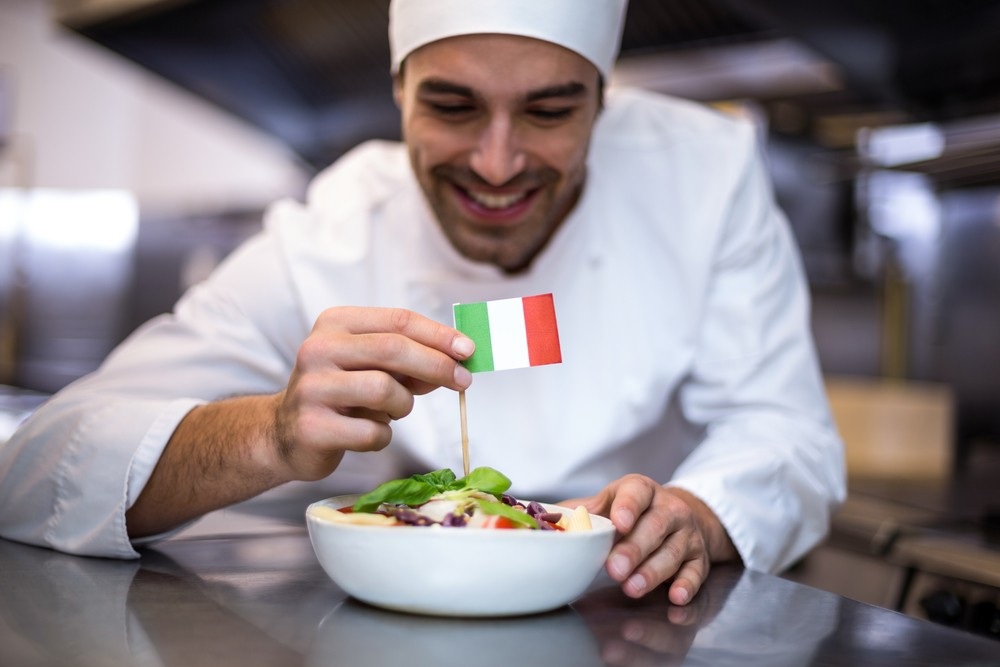
Launching a successful Italian catering business requires far more than passion for food. You need technical culinary skills, business knowledge, food safety expertise, and an understanding of Italian culinary traditions. The right educational foundation accelerates your path to success by preventing costly mistakes and building credibility with potential clients who expect professionalism alongside delicious food.
Many aspiring caterers struggle to identify which courses provide genuine worth versus which simply drain resources without delivering practical skills. The catering industry differs significantly from restaurant operations, requiring specific knowledge about mobile food service, event coordination, and client relations.
Essential Culinary Foundation Courses
Building a strong technical base should be your first priority. Professional corso barbecue programs and comprehensive Italian cooking courses teach the techniques and recipes that will form your menu. Look for programs that emphasize hands-on practice rather than just demonstrations.
Focus on courses that cover the breadth of Italian cuisine rather than specializing too narrowly at first. You need competency in antipasti preparation, pasta making, risotto techniques, meat and seafood cookery, and Italian desserts.
| Course Type | Key Learning Outcomes | Recommended Duration |
| Italian Cooking Fundamentals | Classic techniques, regional variations, ingredient knowledge | 8-12 weeks |
| Advanced Pasta and Risotto | Fresh pasta production, sauce mastery, and timing for large batches | 4-6 weeks |
| Italian Meat and Seafood | Proper butchery, grilling techniques, and Mediterranean fish preparation | 4-6 weeks |
| Italian Pastry and Desserts | Traditional desserts, scaling for events, presentation | 3-4 weeks |
Seek programs taught by instructors with professional catering experience, not just restaurant chefs.
Food Safety and Sanitation Certification
Every region requires specific food handling certifications for commercial food service operations. Obtain these credentials before launching your business, as they’re non-negotiable for legal operation. ServSafe certification is recognized widely in the United States.
These courses cover proper food storage temperatures, cross-contamination prevention, allergen management, and sanitation protocols. The knowledge protects both your clients and your business from foodborne illness incidents.
Business Management and Entrepreneurship
Culinary skills alone don’t guarantee business success. Courses in business fundamentals teach how to create business plans, manage finances, price services profitably, and market effectively. Look for programs specifically focused on food service businesses.
Topics to prioritize include cost accounting for recipe pricing, profit margin calculations, cash flow management, contract negotiation, and customer relationship management. Understanding how to estimate food quantities accurately prevents both waste and shortages.
Event Planning and Coordination
Successful caterers must coordinate seamlessly with other event vendors and understand how food service integrates into larger event timelines. Event planning courses teach you to work with venue managers, wedding planners, photographers, and entertainment providers.
Understanding event flow helps you time food service appropriately. Look for content covering different event types—weddings, corporate functions, private parties—as each has distinct requirements.
Marketing and Social Media for Food Businesses
Traditional marketing courses provide useful foundations, but food businesses have unique visual marketing opportunities. Courses in food photography teach you to create appetizing images of your dishes for websites, social media, and promotional materials.
Social media marketing courses specific to food businesses cover Instagram strategies, Facebook advertising, and how to build engaged followings.
Wine and Beverage Pairing
Italian cuisine traditionally pairs with Italian wines, and knowledgeable caterers enhance their worth by offering beverage recommendations. Wine pairing courses teach you to suggest appropriate selections and source wines at wholesale prices.
Specialized Dietary Training
Modern catering requires accommodation of dietary restrictions. Courses in vegetarian and vegan Italian cooking expand your market reach. Allergen management training teaches menu design that identifies potential allergens and prevents cross-contamination.
Continuing Education and Specialization
The most successful caterers never stop learning. After establishing your business, pursue advanced courses that refine techniques or introduce new trends. A corso bbq focused on outdoor events teaches specific skills for managing weather challenges.
Putting Your Education into Action
Building a successful Italian catering business starts with comprehensive education across culinary skills, business management, and specialized knowledge areas. Balance formal education with practical experience through apprenticeships or working for established caterers.