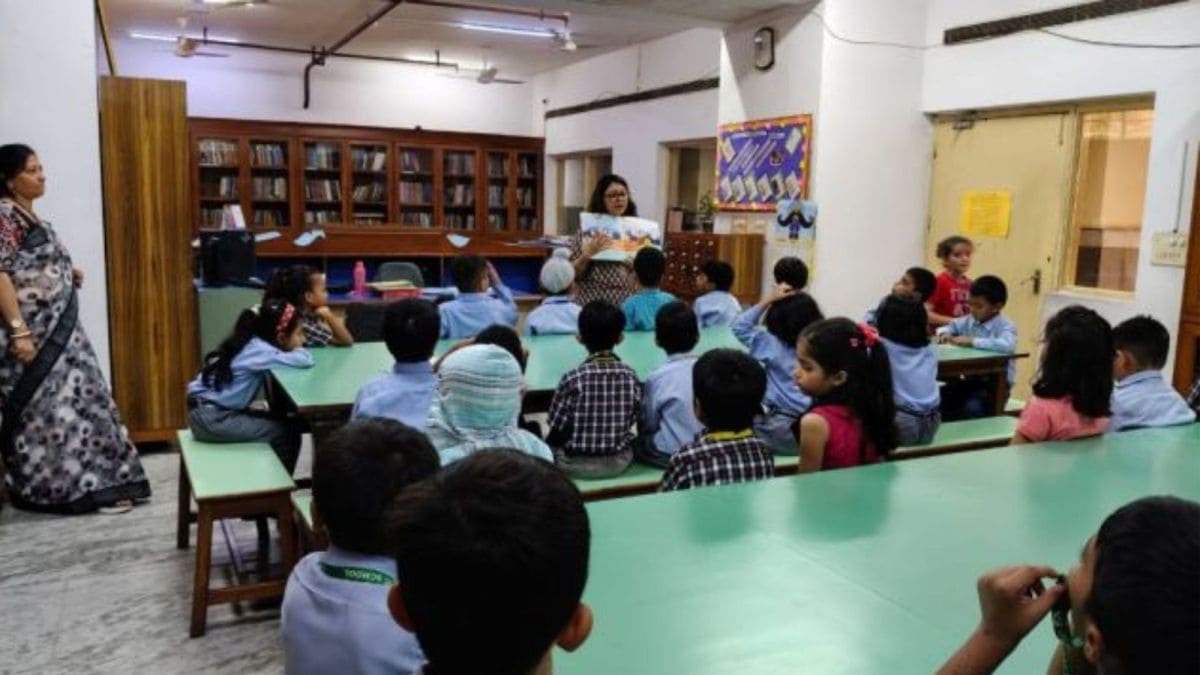
As families look ahead to 2026, many are reassessing their child’s educational journey. With ongoing changes to the state education system, growing class sizes, and increased focus on wellbeing and personalised learning, private education is becoming a more considered option for parents seeking stability and long-term value.
But what makes 2026 a particularly relevant time to explore private education?
A Changing Educational Landscape
Over the past few years, schools across the UK have experienced significant disruption, from curriculum changes to staffing pressures. While many state schools continue to deliver excellent outcomes, limited resources and larger pupil-to-teacher ratios can make personalised support challenging.
Private schools, by contrast, often have greater flexibility to adapt. Smaller class sizes, enhanced pastoral care, and the ability to tailor learning approaches mean children can receive more individual attention—something many parents now prioritise when planning for the future.
Preparing Children for an Uncertain Future
The skills children will need in adulthood are evolving rapidly. Beyond academic achievement, employers and universities increasingly value confidence, creativity, adaptability, and critical thinking.
Many private schools place a strong emphasis on developing these wider skills alongside academic success. Enrichment programmes, leadership opportunities, sport, music, and creative subjects are often embedded into daily school life, helping pupils grow into well-rounded individuals prepared for the challenges of modern life.
Increased Focus on Wellbeing and Pastoral Care
Child wellbeing has become a central concern for families, particularly following recent years of uncertainty. In response, many private schools have strengthened their pastoral provision, investing in mentoring systems, wellbeing programmes, and mental health support.
This holistic approach can be especially appealing for parents who feel their child may benefit from a nurturing environment where emotional development is valued as highly as academic progress.
Financial Planning and Accessibility
While private education represents a significant financial commitment, many schools are actively working to improve accessibility. Bursaries, scholarships, and flexible payment options are increasingly available, making private education a more realistic option for a wider range of families.
Planning ahead for a 2026 start allows parents time to explore these opportunities, attend open days, and consider how private education might fit within their long-term financial planning.
Is Private Education Right for Your Child?
Choosing a school is a deeply personal decision, and private education is not a one-size-fits-all solution. However, 2026 offers a valuable opportunity to reflect on your child’s individual needs, strengths, and aspirations.
For families seeking smaller class sizes, broader opportunities, and a strong focus on personal development, private education may offer an environment where children can truly thrive. Taking the time now to explore options ensures that, whatever decision you make, it is a confident and informed one—focused on giving your child the best possible start for the years ahead.